How Shopify Works? In Easy Words
TLDR:
Shopify is a comprehensive, cloud-based e-commerce platform designed to enable individuals and businesses to create, manage, and run online stores with minimal technical expertise. It serves millions of merchants worldwide by automating many operational tasks involved in e-commerce, such as website building, inventory management, marketing, payments, and analytics.
Core Features and Benefits of Shopify
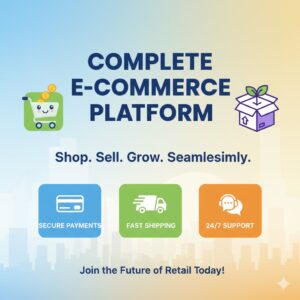
- Complete E-commerce Platform
Shopify provides an all-in-one solution for selling online, including website creation, product listing, inventory tracking, marketing, and payment processing. - Ease of Use
- Users can build a professional, visually appealing online store within 1-2 hours without any web development background.
- Offers a variety of customizable templates (free and paid) to simplify website design.
- Cloud-based access allows users to manage their store anywhere with internet connectivity.
- Product Flexibility
Shopify supports selling:- Physical products
- Digital products (e.g., downloadable content)
- Services (e.g., coaching)
- Gift cards
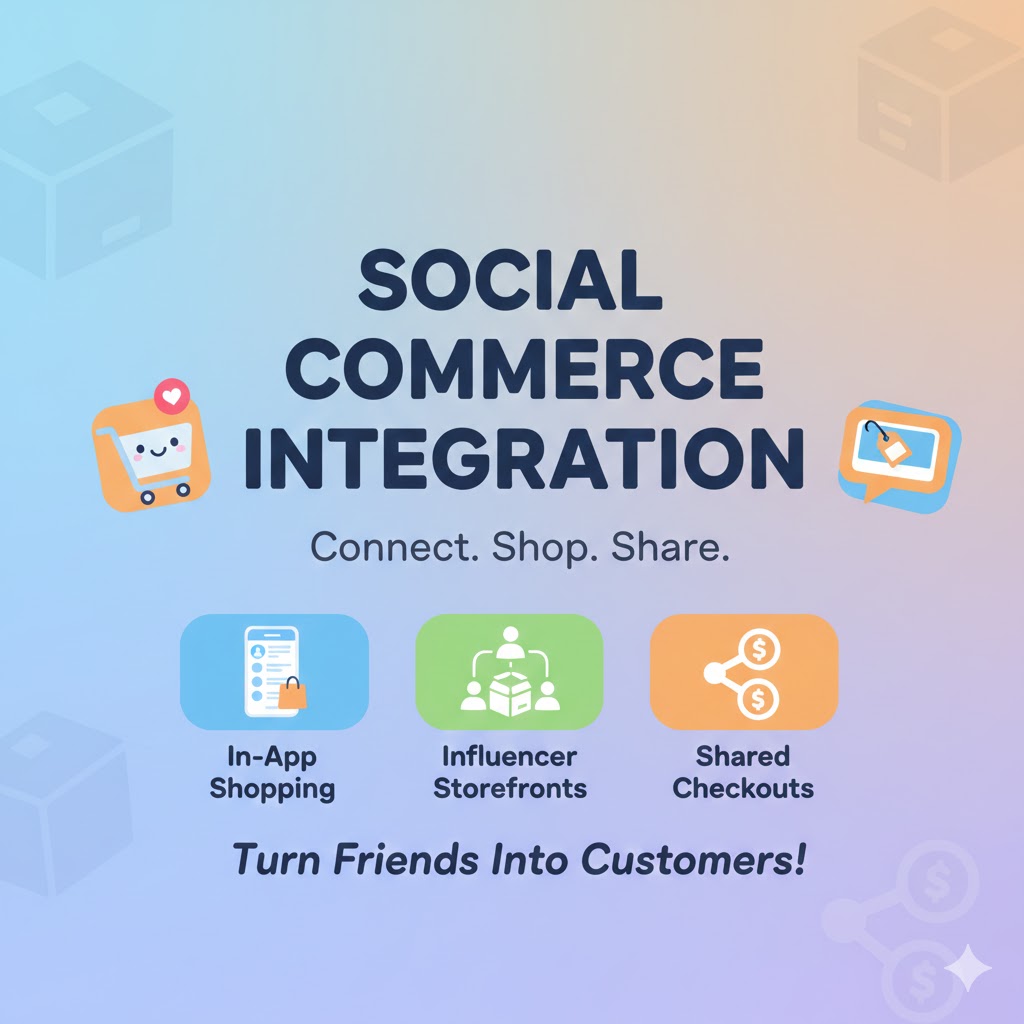
- Social Commerce Integration
Allows selling directly via social media platforms like Instagram with Shopify’s tools and integrations. - Point of Sale (POS) Integration
Enables synchronized sales and inventory management between physical stores and online shops. - Payment Options
Supports Shopify Payments, PayPal, and multiple credit card processors both online and in-person, ensuring secure and reputable payment methods. - Inventory and Analytics Tools
- Real-time inventory tracking with low-stock alerts to help automate restocking.
- Comprehensive analytics on customer behavior, sales trends, and product performance to optimize the business.
- Blogging Capability
Shopify includes blogging features to help merchants engage audiences, improve SEO, and drive organic traffic to their products. - Third-party App Integrations
Shopify offers a rich marketplace of apps and plugins for extended functionality, including:- Printful for print-on-demand and dropshipping (eliminates need for holding inventory).
- Email marketing tools like MailChimp.
- Support and Resources
Access to Shopify experts and free tutorials (including a detailed 2.5-hour tutorial on print-on-demand dropshipping) to assist new users.
Examples of Shopify Stores
| Brand Name | Industry/Product Type | Notes |
|---|---|---|
| Anchor | Electronics (battery banks, chargers, projectors, headphones) | Large, reputable brand using Shopify for e-commerce. |
| Origan | Nutrition (protein powder) | Distributed in grocery stores; uses Shopify for direct sales. |
| Kylie Cosmetics | Cosmetics | Major celebrity brand running substantial sales through Shopify. |
| Climate Right | Outdoor gear (camping/sleeping pads) | Focuses on outdoorsy brand identity with Shopify store. |
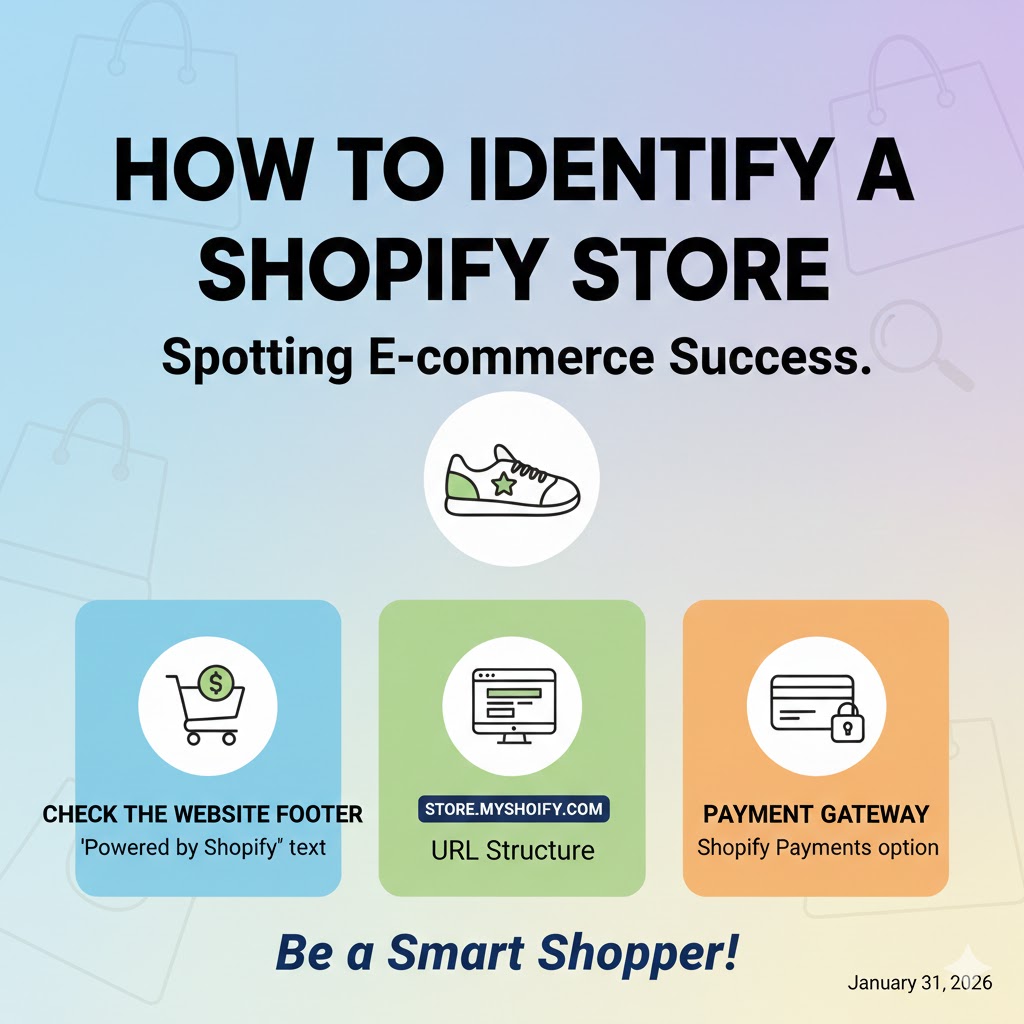
How to Identify a Shopify Store
- Use browser developer tools (e.g., Chrome’s “Inspect” feature) to search for “Shopify” in the website’s code.
- Presence of Shopify-related scripts or URLs typically indicates the site runs on Shopify.
Drawbacks and Alternatives
- Drawbacks:
- Limited deep customization compared to platforms like WordPress.
- Shopify is a paid service with ongoing costs (not explicitly detailed in the video).
- Alternatives:
- WordPress offers more technical customization and potentially lower costs but requires more technical knowledge.
- Recommendation:
Shopify is the easiest and most frictionless solution for approximately 95% of users wanting to build an online store.
Additional Notes
- The presenter offers free tutorials and does not sell courses or upsell.
- A free Shopify trial is available through an affiliate link, which supports the content creator at no extra cost to the user.

Key Insights
Widely used by both small businesses and large brands due to its scalability and ease of use.
Shopify automates many complex e-commerce tasks, making online selling accessible to novices.
Supports multiple product types and sales channels, including physical stores and social media.
Offers extensive app integrations to expand store functionality.
Strong analytics and inventory management tools help optimize sales and operations.
hey I’m Ram and I’m here to answer the question of what is Shopify and how does it work so you might have heard about Shopify from other people online maybe you’re looking to move a physical business to an online business maybe you’re looking to start a brand new online store and so whatever your reason is in this video I’m going to dive into what Shopify is what it does what the benefits and the drawbacks of it are as well as go into some examples of other Shopify sites and get you started with
the first steps moving forward so Shopify is a complete and comprehensive e-commerce platform platform meaning it does pretty much everything you need to sell online it has millions of merchants using it to run their online stores to run their businesses to run their blogs and Shopify automates dozens of jobs for you so you can run an online store with as little effort and as little payroll as possible so instead of hiring a web developer and someone to track inventory and all these different jobs Shopify
automates many of these jobs with free built-in software so in just over maybe an hour maybe 2 hours you can make a stunning professional website with no web development background at all so you can see why this is so appealing to so many people to be able to make a a really clean and professional online store with really no experience and also automate their inventory and things like that uh their advertising all built into Shopify so going a little bit deeper Shopify first of all lets you build a
website you can choose from a lot of different templates build your website design your website customize it for your own needs then you can list products you can have many different kinds of products I’ll talk about that in a minute you can track your inventory you can organize your marketing campaigns you have a lot of different apps and plugins so they integrate with a lot of other software out there and it really does have nearly everything you would need for an online store and one other important thing to note here is
that it is cloud-based so if you make this on your laptop at home you can access it from any desktop anywhere in the world or your phone or really anything obviously with an internet connection the templates as I mentioned before do make this a really easy website builder and so it’s not only very customizable of course you can do anything you want there but you can also start off from a really nice uh base level having a template so you can just look at you know dozens of different templates some of them are free some of
them are paid and once you find a template you like you can start building on that you can change the font you can change the color you can change the images and then you’ll have a really nice looking website with very little effort because you didn’t have to design the overall layout the spacing of things all of that you can choose with a template in the very beginning but of course Shopify is much more than just a website builder shop isn’t the name so obviously the intent here is to be
While selling things on Shopify and you can really think of it like instead of selling on Amazon or on eBay you’re selling on your own store your own website your own online store here and so you can actually sell many different styles of products too which gives you this extra layer of flexibility of course you can sell physical products online I think that’s the first thing people think of but a lot of people don’t realize you can also sell digital products on Shopify you can sell services so that could be like a
coaching or something like that um you can sell gift cards as well so that’s another way to boost your business and you do have some point of sale or POS opportunities that mean that you can sell things in person and and do that through your Shopify store like so if you have a storefront and you have an online store you know you want to track your inventory together you want to have all your payments go the same way so a point of sale is really a nice feature um that works well with Shopify as well
and on top of that you can sell on social storefronts so by this I mean an Instagram storefront for example you can sell directly through Instagram using Shopify and of course Shopify integrates with many many different social media platforms and really a lot of other softwares out there as well Shopify also has their own payment process there so Shopify payments but you could accept PayPal and just you know a lot of different ways to accept credit cards on there so accepting credit cards in person or online again another benefit
because it’s very reputable and many consider it to be very safe I keep mentioning this video that you can track inventory of course when things are being sold online or using the point of sale uh you can track the inventory like I said but you can also get low inventory alerts so you’re able to not have to spend time going through and looking at your inventory instead it’ll just notify you and you can place another order for more of your inventory of course you can also dig into analytics besides just what’s in
inventory you can look at who visited your website how long they were on there what they bought what was added to cart all these different things that can help you optimize and if you have multip multiple products it’s a great way to figure out which products are working well like which ones do people like but then they don’t actually go through and buy them maybe the pricing is not right the analytics can really go a long way and besides that you can actually also have a Blog on Shopify so the blogging
capabilities here allow you to get a little bit of a larger reach so for example if you sell kitchen supplies maybe a cutting board or something like that maybe you would want to have a Blog about some different recipes or maybe you want to have a Blog about like top 10 kitchen supplies and in there if you start ranking in Google you get that organic traffic people are coming over for free reading your article and in your article maybe you have a subtle little plug saying by the way this is our cutting board that way you’re
getting some free extra traffic for people that could buy or potentially buy your your cutting board your kitchen supplies whatever it is you’re selling and another thing I keep mention is the Integrations so I want to elaborate on that a little bit more as well you have the ability with Shopify to get apps so to speak so these are plugins or Integrations with Shopify so if you’re using Shopify you can have an integration with printful for example where you could do a print on demand Drop Shipping where you don’t actually
have the inventory but you’re selling like actually I made this sweatshirt I wasn’t trying to wear this for this video but yeah like I made this sweatshirt in a tutorial where I showed you guys how to do that essentially it’s like if I was going to sell this sweatshirt I don’t need to hold any inventory I just have print full connected when somebody orders this sweatshirt through my website printful makes the sweatshirt and ships direct to them so so that’s an example of one of
of the cool Integrations but there’s many more from marketing to like an email campaign with MailChimp different things like that and in addition there is a Marketplace full of experts to help you if you get stuck along the way but I honestly hope that never happens because we have several tutorials on how to use Shopify like I said I have a like about a two and a half hour tutorial on how to use Shopify to do print on Demand dropshipping with printful um but of course other tutorials on just using
Shopify alone I’ll link those down below by the way we do not sell any course um some content out there sells courses so you watch a video and then you get upsold we don’t do that so I promise everything that I think that you need to know to make a Shopify store is in fact in that video on YouTube for free just go on down click that like and you can head over to that and now I want to actually get into some examples of Shopify stores these are ones that I found and I’ll show you what to look for
to identify a Shopify store but the first one this is Anchor a pretty reputable brand it’s actually a really large brand that makes you know different Electronics they make battery Banks they make chargers for your phone they also make different things like projectors um and even headphones and speakers so pretty wide uh sprawling brand pretty big brand and they’re using Shopify to sell their stuff another one is origan you can see that they’re in grocery stores all over they make um
protein powder so really Shopify is obviously very popular among big Brands including Kylie Cosmetics like the Kardashians Kim also uses this um you can see like they’re that’s a massive brand it’s a it’s a huge business and of course with that they’re running most of their sales or many of their sales through Shopify Additionally you can see climate right here I really like how they designed their more of an outdoorsy feel of course because they’re selling uh camping pads or sleeping pads so
those are just a couple examples of some Shopify sites the way that I usually go about identifying them is I will go to any website a website that usually is an individual seller you go to their online store and then if you go to uh you know more tools on Chrome for example you can go to inspect um there’s other browsers that have something similar some some type of inspect and you’ll be able to search for Shopify so if Shopify shows up odds are they’re using Shopify for their online store so what are the
There are no major drawbacks with Shopify it’s a pretty frictionless experience that a lot of people really do.
If you wanted a little bit more customization something like WordPress could be a good option.
You could save a couple extra dollars and you could customize it a little bit more so I would say for about 95% of users out there Shopify is probably your best bet for making a store.